
Naturally Brewed Soy Sauce: Fermentation, Types and What Buyers Should Compare
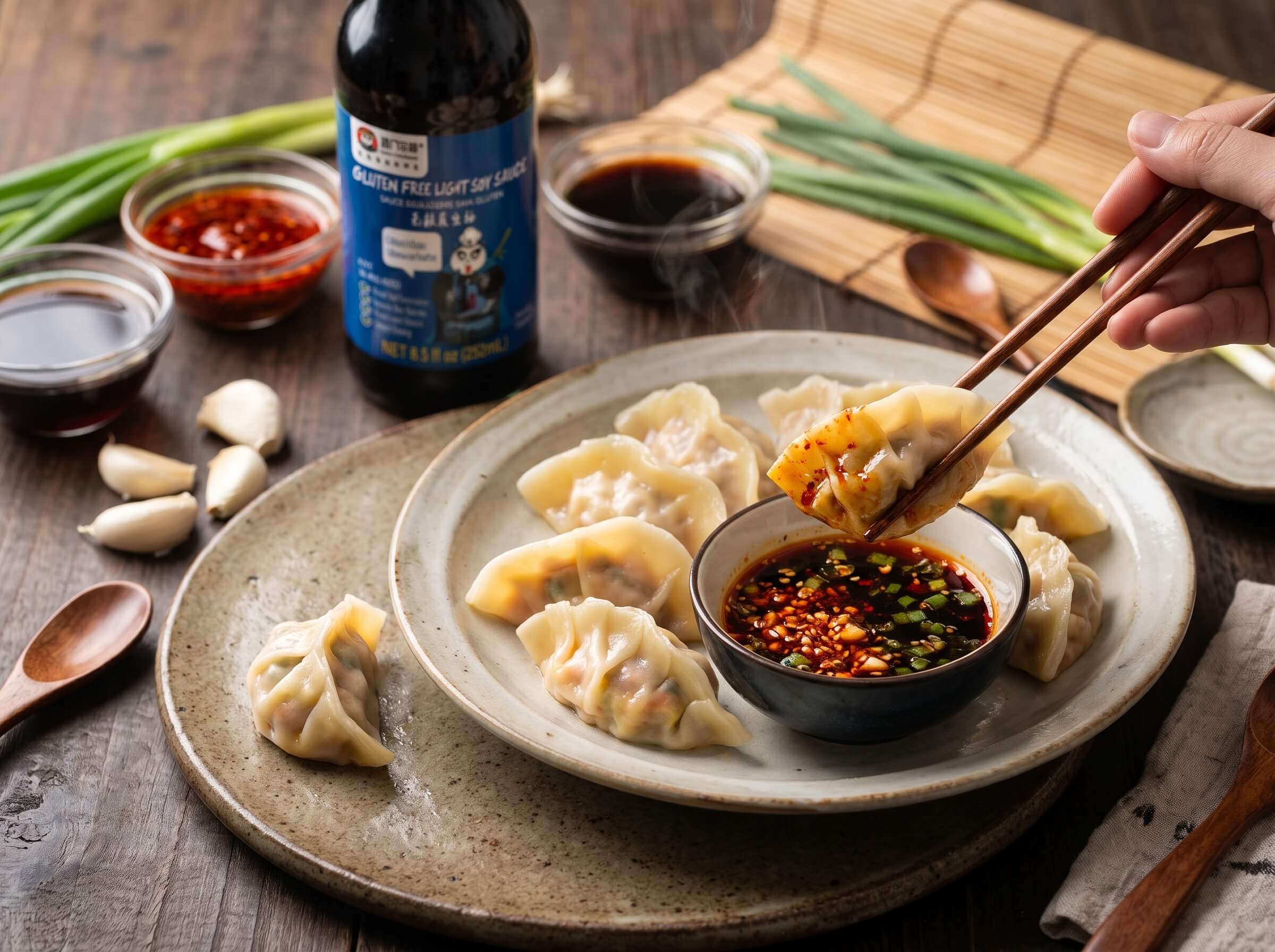
Two soy sauces can share a product name and behave differently in your recipe. One may add a clean savory note; another may bring more color, sweetness or body. A price per liter won’t explain those differences.
Naturally brewed soy sauce is a fermented seasoning made by using microorganisms and their enzymes to transform soy-based raw materials into savory flavor and aroma. Wheat is used in many recipes, but formulations vary. The manufacturing route, finished formula and intended application all matter when comparing products.
How does soy sauce fermentation work?
A typical brewed process combines raw-material preparation, koji cultivation, fermentation in a salted mash, liquid recovery and finishing. Each stage shapes a different part of the product
1. Prepare the raw materials
Soybeans or a soy-based raw material are cooked. Wheat, when used, may be roasted and crushed. These ingredients supply proteins and carbohydrates for the later stages.
2. Grow the koji
Food-production koji molds, such as Aspergillus oryzae, grow on the prepared ingredients. Their enzymes break proteins and starches into smaller components.
3. Ferment the salted mash
In liquid-state brewing, koji is mixed with brine to form a mash commonly called moromi. Salt-tolerant lactic acid bacteria and yeasts help develop acids and aroma compounds while enzymes continue working.
4. Recover the liquid
After fermentation, the mash is pressed and the liquid is clarified. This separates the sauce from the remaining solids.
5. Finish the product
Heat treatment, filtration, blending and concentration adjustment depend on the product. Some sauces are unpasteurized. Confirm the finishing steps for the exact SKU you are buying.
Fermentation time alone is an incomplete purchasing specification. Ask what the producer controls during fermentation and what is done to the sauce afterward. For a closer look at duration, see our guide to soy sauce fermentation time.
How do different production methods change the product?
High-salt liquid-state and low-salt solid-state methods are both fermentation processes. Acid hydrolysis follows a different route. Finished products may also contain blends, where the destination market permits them.
Use the table to identify the process behind a quote. The route can explain differences; it cannot rank every sauce within that category.
| Route | What it can explain | What to verify |
|---|---|---|
| High-salt liquid-state fermentation | Koji ferments in a brine-rich mash. Raw materials, cultures and conditions shape the savory taste and fermented aroma. | Process description, fermentation controls and finishing. A process name doesn’t guarantee a particular flavor or grade. |
| Low-salt solid-state fermentation | A lower-moisture fermented mash uses different salt and temperature conditions. It is still a fermented process. | Finished-product sodium and sensory profile. “Low-salt” in a process name is not a reduced-sodium label claim. |
| Acid-hydrolyzed protein seasoning | Acid breaks down protein to create a savory seasoning base, rather than relying on the full koji-and-mash fermentation sequence. | Ingredient identity, permitted product name and destination-market requirements. Its flavor profile differs from a brewed base. |
| Blended products | Brewed sauces or other seasoning components are combined. Characteristics depend on the bases and the final formula. | What is blended, ingredient disclosure and legal classification. A blend’s name does not reveal its full composition. |
Product categories and label rules vary by market. Confirm that the process sheet, ingredient list and destination label describe the same product.
Which soy sauce types suit different applications?
Soy sauce types describe styles,formulations or label properties; they are not all manufacturing methods. Chinese light and dark styles, Japanese styles and reduced-sodium products answer different purchasing needs.
| Type | Typical role and flavor | Procurement caution |
|---|---|---|
| Chinese light soy sauce | A savory, salty base for stir-fries, marinades, dipping sauces and general seasoning. | “Light” describes the style, not a low-sodium claim. Compare salt, aroma and color at the planned dose. |
| Chinese dark soy sauce | Deeper color for braises and sauces; often more body or sweetness, depending on the formula. | Don’t substitute by volume without checking color and sweetness. A darker appearance is not proof of more fermentation. |
| Mushroom-flavored dark soy sauce | Color with a mushroom-associated savory note for braises, noodles and sauce bases. | Ask which mushroom ingredients or flavorings are used. The name alone doesn’t establish their amount. |
| Japanese koikuchi | An all-purpose Japanese style for dipping, dressings and cooking, with a dark color and fermented aroma. | Check its soy-and-wheat formulation and sensory fit rather than assuming it matches Chinese light soy sauce. |
| Japanese usukuchi | A paler style used when preserving the appearance of soups and lighter-colored foods matters. | Paler color does not mean less salt. Usukuchi can be saltier than koikuchi. |
| Tamari-style soy sauce | A typically soy-dominant style with a rich savory character, useful in dipping and seasoning applications. | Some tamari contains wheat. Require formula and gluten-free documentation when that claim matters. |
| Reduced-sodium soy sauce | A finished formulation for applications with a specified sodium target. | Compare sodium on the same basis and ask how it was reduced. Fermentation method alone won’t establish the claim. |
| Sweet soy sauce, such as kecap manis | A sugar-rich style for sweet-savory coatings, glazes and selected noodle or grilled-food applications. | Rebalance the recipe’s sugar and seasoning. It is not a one-for-one replacement for light soy sauce. |
For regional cooking context, read Chinese, Japanese and Southeast Asian soy sauce styles compared. For procurement, keep the style name separate from the documented process.
Why can two naturally brewed soy sauces taste different?
Two brewed products can differ even when both follow a koji-based process. The finished flavor reflects several choices:
- Raw materials: the soy source, wheat use and their proportions affect the components available during fermentation.
- Cultures and conditions: microorganisms, salt, temperature and time influence flavor development.
- Finishing: heating, clarification, blending and concentration can change the final aroma, color and body.
- Added ingredients: sugar, mushroom ingredients or other seasonings can shift the balance further.
Describe what your food needs: a clean savory base, a strong fermented aroma, deeper color or a sweet finish. “Premium flavor” is too vague for a technical brief.
What should buyers check in the ingredients and label claims?
Read the complete formula alongside the process description. A sauce can be fermented and still contain added ingredients.
Raw materials and allergens
Confirm the soy ingredient and whether wheat or other cereal ingredients are used. Ask for the allergen statement covering the finished product and relevant production controls. A gluten-free claim does not make a soy-containing sauce soy-free.
Fermentation alone does not make a wheat-containing sauce eligible for a gluten-free claim. The U.S. FDA has specific requirements for gluten-free labeling of fermented and hydrolyzed foods; other markets need their own review.
Sweetness, color and savory additions
Check for sugars or syrups, caramel color, mushroom ingredients, yeast extract and added flavor enhancers. Determine what each ingredient contributes and whether it fits your specification.
Naturally present glutamate and added monosodium glutamate (MSG) are different labeling questions. Under U.S. ingredient-labeling rules, added MSG must be declared by name. Don’t interpret “no added
Finishing and shelf-life information
Ask about heat treatment, alcohol, preservatives where used, storage conditions and shelf life in the actual packaging. The finished SKU’s documents should support any claim you plan to make.
Can you make it ahead?
For this small batch, plan to make the sauce for the meal rather than keep a jar for the week. If you mix it earlier that day, cover the untouched sauce and refrigerate it promptly. Add fresh garlic, ginger, or scallions close to serving.
Use clean utensils to portion it out, and discard sauce left in bowls that people have dipped into. Don’t pour used dipping sauce back into the unused batch. Follow the storage instructions on your ingredient bottles as well.
The National Library of Medicine’s food-safety guidance emphasizes clean utensils, separating raw foods, and prompt refrigeration. The soy sauce and vinegar in this mixture don’t make it a shelf-stable preserve.
K
L
Can I use this as potsticker sauce?
Yes. Serve it on the side and dip lightly so the pan-fried bottom stays crisp.
K
L
Is this the same as gyoza sauce?
It uses the familiar soy-and-vinegar combination and works with gyoza. Gyoza sauces vary; this is a flexible home version, not a claim to one traditional formula.
K
L
Can I use plain soy sauce instead?
Yes, but it will taste more concentrated. Water and vinegar let you adjust the intensity instead of adding more salt to a seasoned filling.
K
L
Is rice vinegar the same as rice wine?
No. Rice vinegar supplies acidity. Rice wine and mirin have different flavors and functions, so they are not direct substitutes here.
K
L
Can I leave out the sugar?
Yes. The dip will taste less sweet, and the vinegar may stand out more. Taste it with a dumpling before adding anything else.
K
L
Do I need sesame oil?
No. It adds a toasted aroma, but the base works without it. If you have a sesame allergy, check the chili oil and other ingredients too.
K
L
Can I use chili crisp instead of chili oil?
Yes, as an optional add-in. Start with a small spoonful and taste before adding more; chili crisp can contribute salt and crunchy solids as well as heat.
K
L
Can this sauce be gluten-free?
Use soy sauce and other ingredients clearly labeled gluten-free, and check the dumplings separately. A gluten-free soy sauce still contains soy. See our soy sauce label guide.
K
L
Should dumpling sauce be thick?
This version is a thin dipping sauce, so it needs no cornstarch. If you want a cooked glaze for a different meal, try our soy garlic sauce recipe.
K
L
What if I run out of soy sauce?
Start with our soy sauce substitute guide. Choose a swap based on why you need it; a gluten-free option and a soy-free option are not interchangeable.
Which soy sauce fits this recipe?
Sauce Grandmaster Light Soy Sauce can fill the soy sauce slot in this recipe. Sauce Grandmaster is our retail brand, and the link below goes to its Amazon listing. Measure the sauce as directed, then adjust the finished dip to suit your dumplings.
It is soy-based, so it isn’t a soy-free option. “Light” describes the sauce style, not a low-sodium claim. Check the current bottle label for your dietary needs.
What else can you make with soy sauce?
Desly Foods Taste of the world
Welcome to Desly Foods website where you can find our delicious sauce. Our product is made with high-quality ingredients and traditional recipes to ensure the best flavor for your dishes. Whether you are a professional chef or a home cook, our sauce is perfect for adding a touch of sweetness and umami to your favorite recipes.
We take pride in offering a product that not only tastes great but is also made with care and attention to detail. Desly Foods sauce is a staple in many Asian households and we are excited to share it with you.
So why wait? Explore our website and discover the delicious world of our sauce today.
Ready for your next post?
0 Comments